

Gift card draining can empty a present before the recipient has a chance to use it.
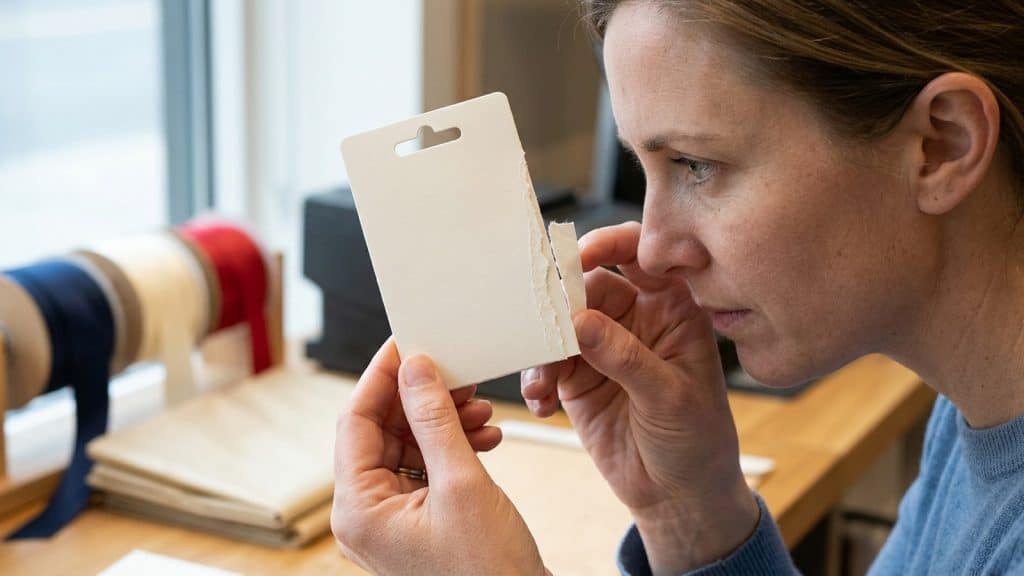
The envelope is unopened, the card is still in your possession, and the balance is gone. Gift card draining can happen without a thief ever touching the card after you buy it. Someone who captured its usable details earlier may wait for money to be loaded and then spend that value remotely.
The risk begins at purchase and continues through the gift handoff, even if no one receives a suspicious phone call. You want a card from a reliable seller, packaging that shows no obvious tampering, a clear record of activation, and a safe way to pass the gift and its purchase evidence to the recipient.
How a card on a display can become compromised
The Federal Trade Commission describes scammers removing protective stickers or scratching card backs to capture numbers and PINs before purchase. Once someone loads money onto a compromised card, those details can let the scammer take the value even though the buyer still holds the physical card.
You cannot prove a card is safe merely because the display looks orderly. A clean-looking package is useful but not conclusive evidence. The goal of inspection is to catch visible warning signs and choose a more trustworthy purchasing route, not to promise that a careful shopper can detect every altered card.
Distinguish this from a different scam in which someone pressures you to buy gift cards and send the codes as payment. Draining may occur with no contact from a scammer. Both schemes depend on access to the card’s usable details, but the preventive steps begin at different points.
Inspect the package before asking the cashier to load it
Look for disturbed seals, damaged backing, removed protective coverings, an exposed PIN, or anything suggesting the package has been opened and closed. If the visible details look inconsistent or the packaging seems altered, do not activate it to see what happens. Show it to a cashier or manager.
The FTC warns that tampering may affect cards in batches. If one looks suspicious, simply choosing the neighboring card from the same display may not resolve the concern. Consider another store or an official digital purchase route after verifying the destination independently.
Ask how activation works and retain the receipt that documents it. Before leaving, check that the receipt identifies the intended purchase and loaded amount. If activation fails or the cashier reports an error, resolve that issue before treating the card as a completed gift. Do not throw away packaging or an error receipt that may help explain the transaction.
Choose the seller and payment method deliberately
The FTC’s gift card guidance recommends buying from stores you know and trust and avoiding online auction sites, where cards may be counterfeit or stolen. A large advertised discount is not evidence that the seller controls a legitimate unused balance.
If you choose an electronic gift, go directly to the retailer’s or issuer’s verified website. An online format avoids a physical rack but does not remove the risk of a fake seller, compromised email, or phishing message. Check the recipient’s email address before submitting the purchase, and keep the confirmation in your own secure account.
The FTC also suggests paying by credit card when possible because it can provide stronger protections if a problem arises. That is not a guarantee of reimbursement for every gift card dispute. Ask the card issuer about the transaction, evidence, and applicable dispute process rather than assuming the gift card can always be reversed.
Keep proof without spreading the spending code
Save the store receipt, activation receipt if separate, and identifying details of the gift card. The FTC recommends retaining copies of the card and receipt because they help with reporting. Store those copies privately: a photograph showing a usable number and PIN may be enough for another person to spend the balance.
Do not post a celebratory photo showing the card’s back, send its codes through a group conversation, or upload unredacted purchase evidence to a public complaint. If support requests information, confirm you are communicating with the issuer through an official channel before sharing what it needs.
Tell the recipient that you have proof of purchase and how to reach you if the balance is wrong. You can include a gift receipt when appropriate, but keep your own complete record until the recipient has successfully used the card. A friendly handoff can explain the safety steps without turning the present into a lesson in fraud.
Use the issuer’s balance checker, not a search advertisement
When checking the balance, use the official website or contact information verified from the issuer. Do not enter the number and PIN into an unfamiliar balance-checking page simply because it appears near the top of search results. The same details that reveal the balance may also permit spending it.
If a website looks suspicious, stop rather than trying another code or uploading a picture of the card. Navigate independently to the issuer. A person who unexpectedly contacts you claiming to verify activation should not need you to send the card’s spending credentials through an unsolicited message.
For a hypothetical gift handoff, the buyer keeps the receipt while the recipient uses the issuer’s verified service to check the value. If a problem appears, they can compare the purchase record and card details immediately. This is a practical routine, not a promise that checking a balance prevents later theft.
If the money is missing, report the right facts promptly
Contact the gift card company as soon as you discover the problem. Explain that the card was purchased as a gift and the value appears to have been taken without your authorization. Provide the purchase and activation information through the verified process, ask whether any remaining funds can be protected, and request a case number.
Ask for the transaction history or an explanation of when the value was used, if the company can provide it. A card that never activated, a retailer processing error, and a drained balance are different problems. Report what you know and label what you suspect so support can investigate the right event.
Notify the retailer as well, especially if you observed tampered packaging or another affected card on the rack. Preserve the physical card, packaging, receipts, and correspondence. If you paid by credit card, ask that issuer about its own dispute route and deadlines. Do not wait for one company to finish responding before learning another relevant deadline.
You can also report the incident to the FTC using its official fraud-reporting channel. The FTC advises asking the gift card company for your money back, but recovery is not assured. Be wary of anyone who promises to recover the balance for an upfront fee or asks you to buy another gift card to unlock it.
Intact wrapping cannot confirm that a card’s details are still private. Buying from a trusted seller and keeping the receipt give you a better starting point if the recipient finds the balance missing. The purchase record remains useful after the gift changes hands, so it is worth keeping until the card has been successfully used.

 Buy Now, Pay Later Refunds: Track the Loan and the Return
 Tips for Managing Unexpected Repair Costs: A Quick Guide
 Strategies for Managing Financial Transitions: Top Tips and Insights