

Pay later refunds need a clear record of both the returned purchase and the loan.
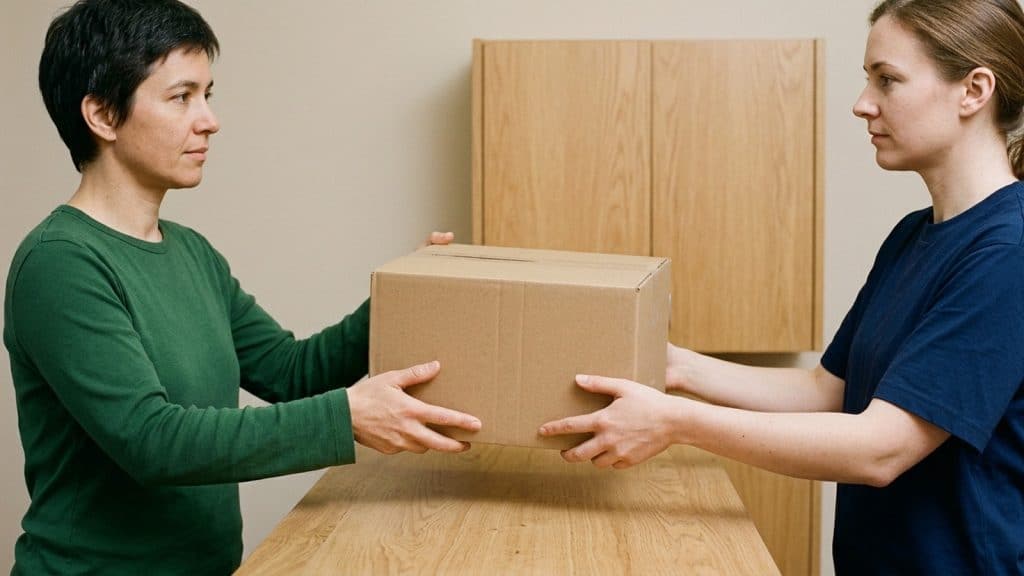
You have a shipping receipt showing the package went back, but another installment is still scheduled. That is not necessarily a duplicate charge. A buy now, pay later purchase creates a payment arrangement that may not update at the same moment the retailer receives your return. Until the records agree, it can be hard to tell what you still owe and whether a refund is on its way.
Start by identifying the lender and loan associated with the purchase. A retailer’s order number and the lender’s agreement number may differ. Keep them together so a support agent can connect the returned goods with the correct payment plan instead of discussing an unrelated order.
Two records, two different responsibilities
The merchant decides whether a return meets its policy and records the refund it authorizes. The lender manages the financing arrangement. A delivery scan proves a parcel arrived somewhere; it does not necessarily show that the merchant inspected the contents, approved the return, or told the lender to adjust the balance.
The Consumer Financial Protection Bureau’s BNPL overview describes these products as installment borrowing and advises checking loan documents for fees and costs. A common short installment product is not identical to every longer-term financing offer presented at checkout. Find the terms for the actual agreement you used.
Save the original order, payment schedule, merchant return policy, return authorization, and shipment or in-store receipt. Record which items went back and which you kept. If you financed several purchases through one app, avoid assuming a credit for one order also changes another loan.
Report the return through the lender’s process
Follow the retailer’s instructions first, including the return address and deadline. Then use the lender’s authenticated app or website to report the return, if that option exists. Upload the requested evidence and retain confirmation of the report. A message to the retailer alone may not notify the lender.
For example, Klarna’s merchant dispute guidance says that once a dispute is raised, it pauses the invoice and encourages the customer to resolve the issue with the store. This is a provider-specific process, not a promise that every BNPL lender pauses every loan. Confirm the status displayed for your particular order.
Check whether the pause includes the next scheduled debit, how long it lasts, and whether additional information is required. Save the date and any case number. If the lender still shows a payment due, contact it before that date rather than treating the shipping receipt as authorization to stop paying.
Keep a return timeline that answers useful questions
A dated log can make a folder of screenshots easier to follow. The action, company contacted, evidence supplied, and next promised step explain what each image shows. Use the same log for phone calls, chats, and emails so you can explain the sequence without starting from memory.
- When did the merchant authorize the return, and what did that authorization cover?
- When and where was the item delivered or handed over?
- What refund amount did the merchant approve, and by which method?
- When did the lender receive or acknowledge the adjustment?
- What payment, refund, or information request is still outstanding?
Keep sensitive information out of public reviews and social posts. Support may need an agreement number in a secure channel, but strangers do not need your full card details, identity documents, or account credentials. Reach support through the provider’s verified service rather than an unsolicited message offering to accelerate the refund.
Partial returns can change the schedule in different ways
If you keep part of an order, do not expect the remaining installments simply to disappear. The lender may reduce future payments, remove later installments, or apply a credit according to the product’s terms. Ask for the revised schedule and compare it with both the merchant’s refund amount and the payments already completed.
In a hypothetical example, a shopper returns one item from a larger financed order but keeps the rest. The merchant approves only that item’s refundable price. Whether shipping, return fees, discounts, or other charges affect the total depends on the disclosed policies and the transaction. This is not a universal formula for how a lender must allocate the refund.
Check that the retailer applied the correct discount and did not process an exchange as a refund you never receive. If the merchant’s amount is wrong, ask it to correct the return record. If the merchant’s amount is right but the loan adjustment is wrong, give the lender the merchant’s confirmation and request a reconciliation.
Store credit is not necessarily repayment of the loan
A retailer may offer a gift card or store credit instead of returning money through the original payment route. Before accepting, find out whether your BNPL obligation stays in place. You may otherwise end up with a store balance you cannot use to pay the lender.
A gift card or an in-store refund outside the lender’s system is not confirmation that your BNPL balance has been cleared. Providers can have different procedures. Ask where the refund will go before agreeing that the return is resolved.
If money goes back to a card or bank account, locate the actual posted credit. Do not rely solely on a merchant email saying the refund was initiated. A credit and a loan adjustment are different entries, and their timing may differ. Ask the relevant party to trace a missing entry rather than opening multiple identical claims without new information.
Use current rules, not an old refund headline
Be careful with articles claiming that all BNPL borrowing carries the same billing-dispute protections as a conventional credit card. The CFPB’s current BNPL compliance page states that the agency withdrew its 2024 BNPL interpretive rule on May 12, 2025. Do not build your response around that withdrawn interpretation.
The rules that apply can depend on the product, payment method, agreement, and applicable law. If a return remains unresolved, use the merchant’s and lender’s complaint processes and ask for a written explanation. You can also consider a CFPB complaint or advice from your state consumer-protection office. Neither step guarantees a refund.
Stopping a bank debit is not the same as canceling the underlying loan. If an authorization or charge itself is disputed, contact the financial institution promptly about its process and deadlines. At the same time, ask the lender how it is treating the repayment obligation; do not assume one dispute automatically updates every account.
Close the case only when the entries agree
The final check is concrete: the returned items are correctly recorded, the merchant’s approved amount is explained, the lender’s remaining balance and schedule match the adjustment, and any refund owed has arrived. Save that final record with the original agreement. Delivery confirmation is useful evidence, but the return remains unresolved if the loan balance or an owed refund is still wrong.

 Gift Card Draining Scams: Protect a Card Before Gifting
 Tips for Managing Unexpected Repair Costs: A Quick Guide
 Strategies for Managing Financial Transitions: Top Tips and Insights